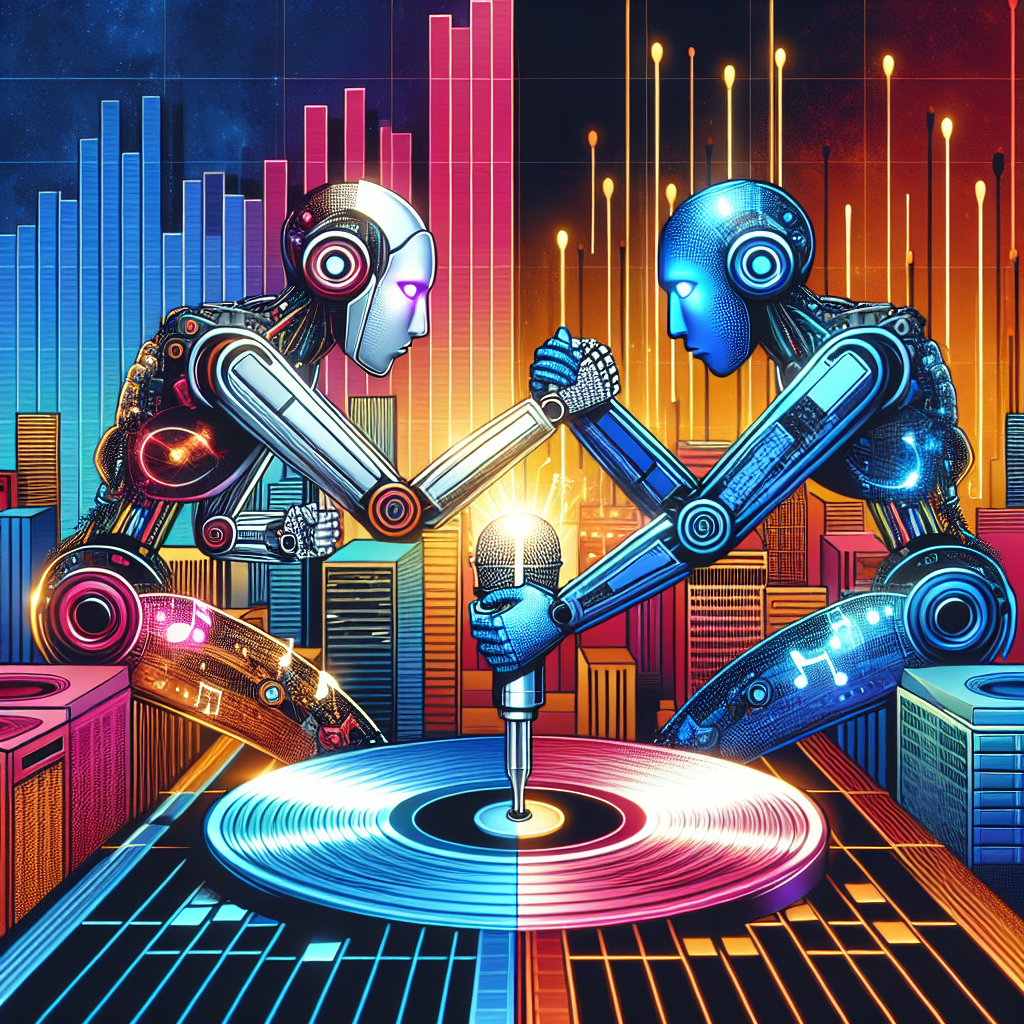
Future of K-Pop: AI vs Producers - Who Will Rule the Industry by 2030?
In recent years, K-pop, South Korea's music industry, has become a global sensation. The catchy tunes, intricate choreography, and vibrant visuals have attracted millions of fans worldwide. But with the rise of artificial intelligence (AI) in the music industry, many are asking: who will rule the K-pop industry by 2030 - AI or producers? Let's delve into the possibilities.
Understanding the Current Landscape of K-Pop
Before we can predict the future, we need to understand the present. K-pop is more than just music; it's a cultural phenomenon. The industry is known for its rigorous training system, where aspiring idols undergo years of vocal, dance, and language training before debuting. Production teams strategically curate every aspect of an idol's image, from their style to their public persona.
AI's Emergence in the Music Industry
AI has made significant strides in the music industry in recent years. Algorithms can now generate melodies, produce beats, and even write lyrics. Some AI technology, like OpenAI's MuseNet, can create original compositions in various styles and genres. The question is, can AI replicate the unique sound and appeal of K-pop?
The Impact of AI on Music Production
AI's potential in music production is vast. It can streamline the songwriting process, create new sounds, and even predict trends. For example, AI can analyze a vast amount of data from different music genres and styles in seconds, something human producers cannot do. However, the human touch in songwriting and producing, characterized by emotional intuition and creative flair, is something AI lacks.
AI's Role in Personalizing Fan Experience
AI also has potential in enhancing the fan experience. It can analyze fans' listening habits and preferences to recommend songs, and even generate personalized content. Concerts could also be revolutionized, with AI creating adaptive light shows or immersive experiences tailored to the audience's mood or reactions. Despite these advancements, AI lacks the human connection that K-pop idols establish with their fans, a crucial element of the K-pop experience.
Navigating Modern Dating Culture: https://www.ichhori.com/2025/10/dating-culture-swiping-left-or-ghosting.html in the K-Pop Scene
K-pop idols' personal lives, including their dating lives, are often a topic of fan interest and media scrutiny. AI could potentially play a role in managing this aspect of idols' lives, by analyzing social media trends and fan reactions to guide idols' public personas and interactions. However, the ethical implications of such use of AI are complex and debatable.
AI's Potential in Scouting and Training K-pop Idols
AI could also revolutionize how K-pop idols are scouted and trained. For instance, AI could analyze thousands of audition tapes to identify potential talent, and tailor training programs to each trainee's strengths and weaknesses. However, the rigorous training process is also a rite of passage for many K-pop idols, and its impact on their personal growth and artistry is irreplaceable.
Producers' Role in Shaping the K-Pop Industry
Despite AI's potential, K-pop producers' role in shaping the industry cannot be understated. They bring a human touch to music production, imbuing songs with emotion and depth that resonates with listeners. They also guide idols' artistic development, helping them find their unique sound and style.
Knowing Your Worth in Relationships: https://www.ichhori.com/2025/10/youre-not-too-muchtheyre-just-not-enough.html in the K-Pop Industry
In the cut-throat K-pop industry, knowing one's worth is crucial. Producers play a key role in this, advocating for their artists and ensuring they receive fair treatment and compensation. While AI could potentially assist in this by analyzing contracts and market trends, the human judgment and negotiation skills of producers are invaluable.
Who Will Rule the K-Pop Industry by 2030?
Predicting who will rule the K-Pop industry by 2030 is not a simple task. AI has the potential to revolutionize many aspects of the industry, from music production to fan engagement. However, the human touch that producers bring to the industry is irreplaceable.
In conclusion, the future of K-pop may not be a battle between AI and producers, but a harmonious collaboration. AI could streamline and enhance various aspects of the industry, while producers continue to bring their human touch and artistic insight. Only time will tell how this exciting dynamic will unfold.