
Debunking the Social Battery Myth: Top Tips for Proper Recharging
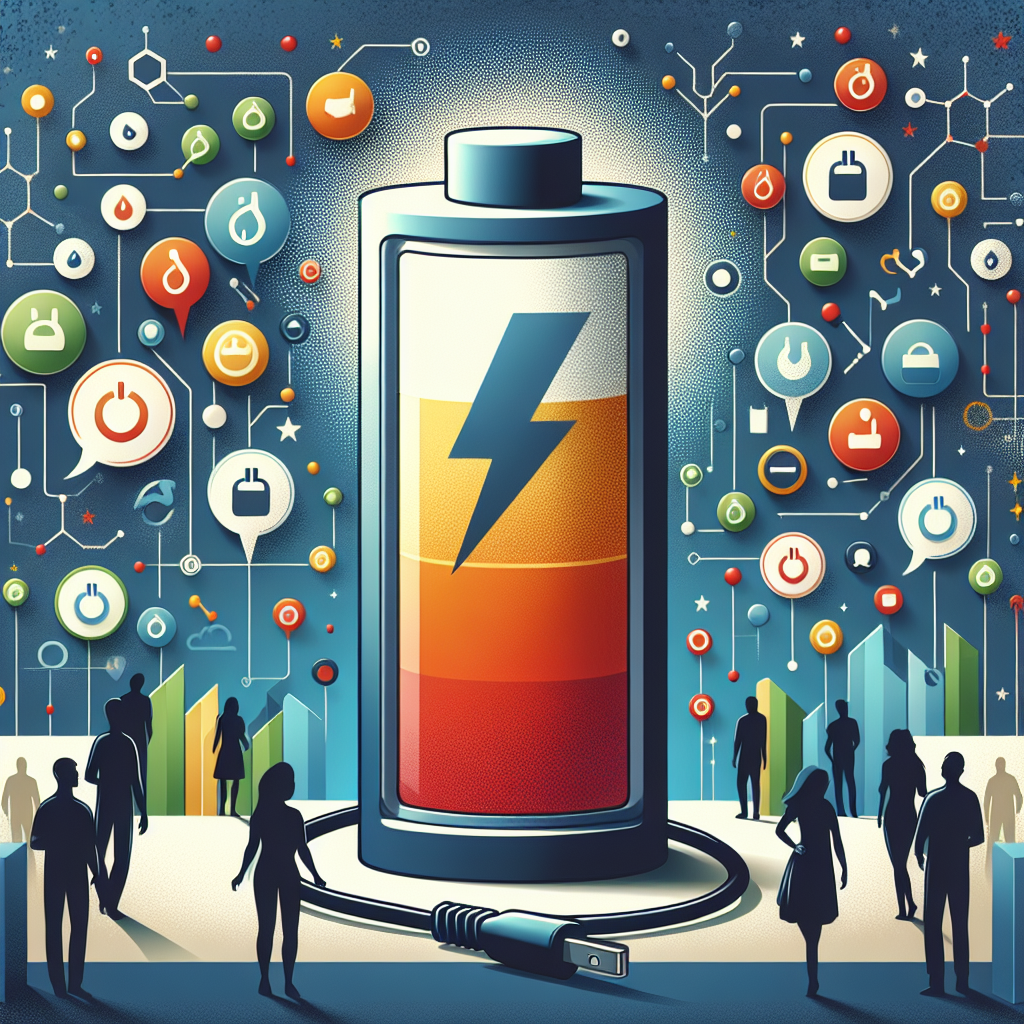
We've all heard of the term "social battery," a metaphor many people use to describe their capacity to interact with others before feeling drained. But is this concept really valid? And if so, how do we properly recharge this so-called battery? This article aims to debunk the social battery myth and provides practical tips for maintaining social energy and balance.
Understanding the Social Battery Concept
The social battery concept is often used to explain why some people may feel mentally and emotionally exhausted after prolonged social interaction. Introverts, in particular, may feel their social battery drains quickly. However, it’s essential to recognize that everyone, regardless of personality type, has a limit to their social capacity and needs time to recharge. To achieve a balanced social life, one must understand their social energy levels and learn how to manage them effectively.
The Myth Behind the Social Battery
The social battery is not a physical thing, but rather a metaphorical construct. It doesn't have a set capacity that gets depleted with every conversation or social interaction. Instead, it's more about the mental and emotional energy that we spend while interacting with others. This energy can be influenced by numerous factors, including mood, environment, and the nature of the interactions themselves.
Recognizing Signs of Social Burnout
Recognizing when your social battery needs recharging is essential. Signs of social burnout can include feeling overwhelmed or anxious in social situations, difficulty concentrating on conversations, or wanting to isolate oneself. If you're a single woman navigating the dating scene, understanding these signs can be crucial in maintaining balance in your social life.
Recharging Your Social Battery
Recharging your social battery is all about taking care of your mental and emotional well-being. This may involve taking time for yourself, engaging in activities that you enjoy, or practicing mindfulness and relaxation techniques. For some, recharging might mean planning a dream vacation to unwind and rejuvenate.
Maintaining Financial Health While Recharging
While taking time for yourself is essential, it's also important to keep your financial health in mind. Whether you're saving for a new home or working towards financial freedom, managing your finances responsibly will ensure your time off doesn't lead to stress later on. Remember, effective recharging doesn't have to be expensive!
Understanding Your Social Needs
Everyone's social needs are different, and understanding yours can help you better manage your social battery. Some people might need more alone time to recharge, while others might find socializing energizing. Being aware of your social needs can help you plan your social activities in a way that promotes balance and avoids burnout.
Practicing Transparency in Relationships
Feeling drained by social interaction can be particularly challenging in a relationship context. It's important to communicate your needs to your partner and practice financial transparency in relationships. This way, you can ensure both your social and financial needs are being met, leading to a more fulfilling and balanced life.
Seeking Help When Needed
Finally, if you're consistently feeling drained by social interaction, it might be worth seeking help from a professional. They can provide strategies and support to help you manage your social energy effectively. And if financial stress is contributing to your social burnout, resources to get out of debt can be beneficial.
In conclusion, the social battery isn't a myth, but rather a metaphor for our social energy levels. Recognizing your social needs, effectively managing your time, and maintaining financial health are key to avoiding social burnout and ensuring proper recharging.